Overview of Tourism in Pakistan
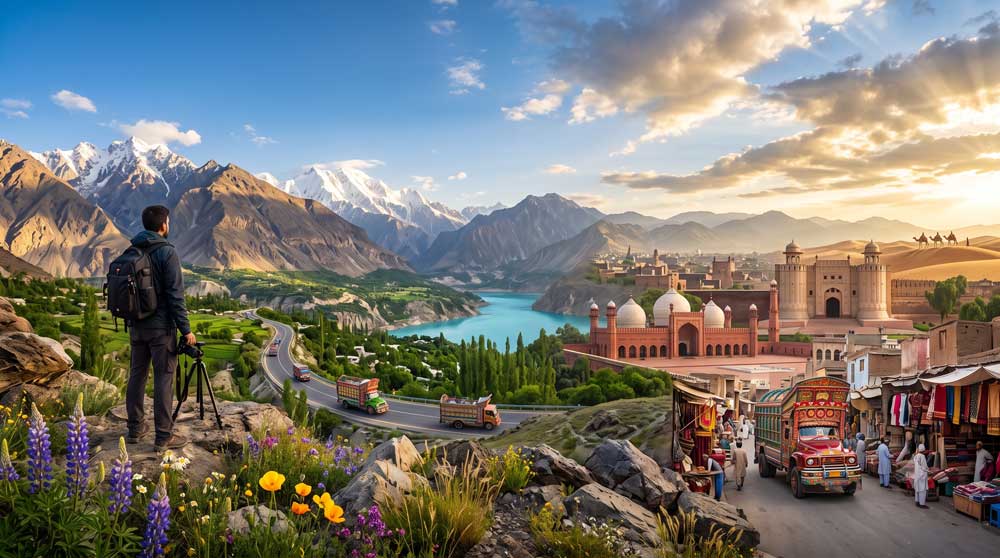
Tourism in Pakistan has experienced a remarkable resurgence over the past decade, drawing adventurers, culture enthusiasts, and nature lovers from across the globe. The country sits at a geographic crossroads where South Asia, Central Asia, and the Middle East converge, creating an extraordinary blend of landscapes, peoples, and traditions. From the sun-scorched shores of the Arabian Sea to the soaring peaks of the Karakoram Range, Pakistan offers an almost unbelievable diversity within a single nation.
Despite carrying an undeserved reputation for instability in some international media, Pakistan has quietly transformed its tourism infrastructure. Improved road networks, dedicated tourist police forces, and a growing hospitality industry have made travel far more accessible. Millions of domestic tourists already explore the country year-round, and international arrivals are steadily climbing as word spreads about its extraordinary offerings. The Pakistani government has introduced e-visa facilities for dozens of nationalities, simplifying visa requirements for Pakistan and removing one of the biggest barriers to entry.
Understanding the full picture of tourism in Pakistan means recognizing the sheer scale of what the country holds: ancient civilizations, living traditions, towering mountains, and some of the warmest hospitality on earth. This guide covers everything a traveler needs to plan a meaningful, safe, and unforgettable journey.
Cultural Heritage and Attractions
The cultural heritage of Pakistan stretches back more than five thousand years, rooted in the Indus Valley Civilization, one of the world’s earliest urban societies. Cities like Mohenjo-daro and Harappa represent sophisticated ancient engineering, while the region later became a crossroads for Greek, Persian, Buddhist, Mughal, and British influences. Each wave of civilization left behind monuments, art forms, and customs that continue to shape Pakistani identity today.
Pakistani culture is vibrant, diverse, and deeply communal. Visitors are often struck by the warmth of local hospitality, a tradition embedded in the concept of “mehman-nawazi,” or guest-friendship. Festivals such as Eid ul-Fitr, Basant (in Punjab), and the Shandur Polo Festival in Khyber Pakhtunkhwa offer travelers rare windows into local life. Traditional music forms like qawwali, performed at Sufi shrines, create deeply moving experiences that no museum exhibit can replicate.
Lahore Fort and Badshahi Mosque: Iconic Mughal architecture in the heart of Punjab tourism.
Sufi shrines: Data Darbar in Lahore and Shah Abdul Latif Bhittai in Sindh draw millions of devotees and curious visitors alike.
Pakistani handicrafts: Truck art, hand-woven shawls from Swat, and blue pottery from Multan are celebrated art forms worth seeking out.
Adventure Tourism Opportunities
Adventure tourism in Pakistan is world-class, plain and simple. The country is home to five of the world’s fourteen peaks above 8,000 meters, including the legendary K2, the second-highest mountain on earth. Mountain trekking in Pakistan draws elite climbers and casual hikers alike, with routes ranging from gentle valley walks in Gilgit-Baltistan to technically demanding ascents that test even seasoned mountaineers. The Karakoram Highway, often called the Eighth Wonder of the World, connects Pakistan to China through breathtaking high-altitude scenery.
Beyond mountaineering, adventure activities in Pakistan span an impressive range. White-water rafting on the Kunhar River, paragliding over Chitral, rock climbing in the Hunza Valley, and jeep safaris through the deserts of Balochistan all offer adrenaline-fueled alternatives to standard sightseeing. Azad Kashmir travel has grown significantly popular among those seeking lush alpine meadows, glacial lakes like Ratti Gali, and serene forest trails far from crowded tourist circuits.
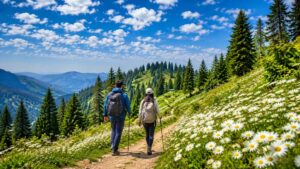
Trekking: K2 Base Camp, Concordia, and Fairy Meadows are bucket-list routes for trekkers worldwide.
Water sports: Rafting and kayaking on rivers in Khyber Pakhtunkhwa tourism zones.
Desert exploration: Camel treks and dune camping in the Thar Desert of Sindh.
Cycling tours: Growing communities organize long-distance rides along the Karakoram Highway.
Natural Wonders and Landscapes
Pakistani landscapes are staggeringly varied. The northern regions showcase glaciers, alpine lakes, and dramatic river valleys carved over millennia. Attabad Lake in Hunza, formed by a 2010 landslide, glows a surreal turquoise that photographers travel thousands of miles to capture. The Deosai Plains, one of the world’s highest plateaus, bloom with wildflowers in summer and shelter the endangered Himalayan brown bear.
Moving south, the terrain shifts dramatically. Punjab’s fertile plains nourish vast agricultural lands and ancient river civilizations. Balochistan attractions include the eerie moonscape of Hingol National Park, the natural rock formations of Princess of Hope, and pristine coastline along the Makran Coast. Sindh travel reveals the mangrove forests of the Indus Delta, while Karachi’s coastline offers beaches like Hawke’s Bay and French Beach. Each province presents a completely different face of the country.
UNESCO World Heritage Sites in Pakistan
Pakistan is home to six UNESCO World Heritage Sites, each representing a distinct chapter of the subcontinent’s long history. These sites form the backbone of any serious Pakistan travel guide and are essential stops for travelers interested in archaeology, architecture, and human civilization. Together they span thousands of years and multiple cultural traditions, making Pakistan one of the most historically layered countries in Asia.
Mohenjo-daro (Sindh): A remarkably preserved city of the Indus Valley Civilization, dating to around 2500 BCE.
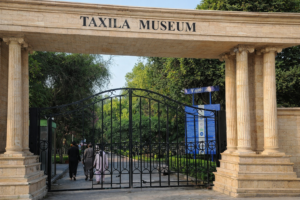
Taxila (Punjab): A major Buddhist and Hindu learning center with ruins spanning several centuries.
Lahore Fort and Shalimar Gardens: Masterpieces of Mughal landscape and architectural design.
Makli Necropolis (Sindh): One of the largest funerary sites in the world, with elaborate medieval tombs.
Rohtas Fort (Punjab): A 16th-century military fortress of exceptional scale and preservation.
Badshahi Mosque (Lahore): One of the largest mosques in the world and a symbol of Mughal grandeur.
Visiting UNESCO World Heritage Sites in Pakistan requires planning, as some are located in remote areas with limited facilities. However, the government has steadily improved access roads, signage, and on-site interpretation centers at most locations. Guided tours from Lahore, Karachi, and Islamabad make day trips or overnight visits entirely manageable for independent travelers.
Travel Tips for Visiting Pakistan
A solid Pakistan travel guide should address practicalities honestly. Visa requirements for Pakistan have been simplified considerably: an e-visa is available for citizens of over fifty countries, and visa-on-arrival is offered at major airports for select nationalities. Travelers should apply at least two weeks before departure and carry printed copies of all approvals. Registering with your home country’s embassy upon arrival is also a sensible precaution.
Respecting local customs is both a courtesy and a practical safety measure, and it ranks among the most important travel tips for Pakistan that any guide should emphasize. Dress modestly outside of major hotels, particularly in rural areas and religious sites. Women travelers should carry a scarf for visiting mosques and shrines. Always ask permission before photographing people, and be mindful that some military installations prohibit photography entirely. Learning a few words of Urdu, such as “shukriya” (thank you) and “assalam alaikum” (peace be upon you), earns immediate goodwill from locals.
Carry local currency (Pakistani Rupees) as card acceptance is limited outside major cities.
Use reputable transport apps like Careem in cities; negotiate fares before boarding rickshaws.
Drink bottled or filtered water consistently to avoid stomach issues.
Purchase a local SIM card on arrival for affordable data and navigation.
Popular Tourist Destinations
Islamabad tourism attractions include the Faisal Mosque, one of the largest in the world, the scenic Margalla Hills for hiking, and Daman-e-Koh viewpoint overlooking the capital. The city serves as a convenient base for day trips to Taxila and Murree. Lahore, the cultural capital, rewards visitors with its walled city, food streets, and world-class museums. The top places to visit in Pakistan inevitably include these two cities alongside the mountain regions of the north.
A Karachi city guide would highlight the National Museum of Pakistan, Clifton Beach, the bustling Empress Market, and the vibrant street food scene. Hunza Valley remains perhaps the single most photographed destination in the country, with Rakaposhi and Ultar Sar peaks framing ancient apricot orchards and the historic Baltit Fort. Swat Valley, once called the Switzerland of the East, offers lush green scenery and important Buddhist archaeological sites.
Cuisine and Local Experiences
Pakistani cuisine is rich, aromatic, and deeply regional. In Punjab, slow-cooked nihari, buttery dal makhani, and tandoor-baked naan define the food culture. Khyber Pakhtunkhwa is famous for its charsi karahi, a fiery wok-cooked meat dish, and freshly baked Peshwari naan. Local cuisine in Pakistan varies so dramatically between provinces that food alone justifies exploring multiple regions. Seafood lovers should head to Karachi, where grilled pomfret and spiced prawns at Burns Road are legendary.
Beyond food, local experiences in Pakistan include attending a traditional wedding (locals frequently invite foreign visitors), browsing bazaars for Pakistani handicrafts like embroidered textiles, hand-carved woodwork, and gemstones from Gilgit-Baltistan. Sufi music nights at shrines, cricket matches in local parks, and chai sessions at roadside dhabas all offer authentic cultural immersion that no organized tour can fully replicate.
Future of Tourism in Pakistan
The future of tourism in Pakistan looks genuinely promising. The government’s Tourism Policy 2030 aims to increase international arrivals significantly by investing in infrastructure, easing visa processes, and promoting sustainable ecotourism. International travel influencers and journalists who have visited in recent years have consistently reported experiences that exceeded their expectations, generating organic interest on social media that no advertising budget could easily replicate.
Tourism challenges in Pakistan remain real, including inconsistent infrastructure outside major cities, environmental pressures on fragile mountain ecosystems, and the need for better trained hospitality professionals. However, community-based tourism initiatives in regions like Gilgit-Baltistan and Azad Kashmir are already demonstrating how local ownership of the tourism economy benefits both visitors and residents. As more travelers discover the diversity of travel destinations in Pakistan, sustained investment and responsible travel practices give the country every potential to become one of Asia’s premier tourism hubs within this decade.
Frequently Asked Questions
What are the best places to visit in Pakistan?
The best places to visit in Pakistan include Lahore for Mughal history, Hunza Valley for mountain scenery, Islamabad for modern attractions and nearby ruins, Swat for lush landscapes, and Karachi for coastal culture and cuisine. Mohenjo-daro in Sindh and the K2 Base Camp trek in Gilgit-Baltistan are essential for history buffs and adventure seekers respectively.
How safe is it to travel in Pakistan?
Pakistan is generally safe for tourists in major cities and popular northern areas. Tourist police units operate in key destinations, and most travelers report overwhelmingly positive experiences. Travelers should check current government advisories, avoid certain border regions, and stay informed locally. Millions of domestic and international visitors travel safely through Pakistan every year.
What cultural experiences can tourists expect?
Tourists can expect extraordinary hospitality, vibrant bazaars, Sufi music at ancient shrines, colorful festivals, and living craft traditions. Pakistani culture is deeply communal, and visitors are frequently welcomed into homes for tea or meals. Exploring the walled city of Lahore, attending a polo match in Chitral, or watching truck artists paint in Karachi are uniquely memorable experiences.
What is the best time to visit Pakistan for tourism?
The best time to visit Pakistan depends on the region. For northern mountains and trekking, April through October offers the clearest conditions. For cities like Lahore and Islamabad, October through March provides pleasant temperatures. Karachi and the southern coast are most comfortable from November through February, avoiding the intense summer heat.
What adventure activities are available in Pakistan?
Adventure activities in Pakistan include mountain trekking to K2 Base Camp and Fairy Meadows, white-water rafting on Khyber Pakhtunkhwa rivers, paragliding in Chitral, rock climbing in Hunza, camel trekking in the Thar Desert, jeep safaris in Balochistan, and skiing in Malam Jabba. The country offers one of the most diverse adventure tourism menus anywhere in Asia.