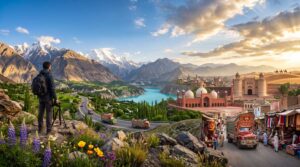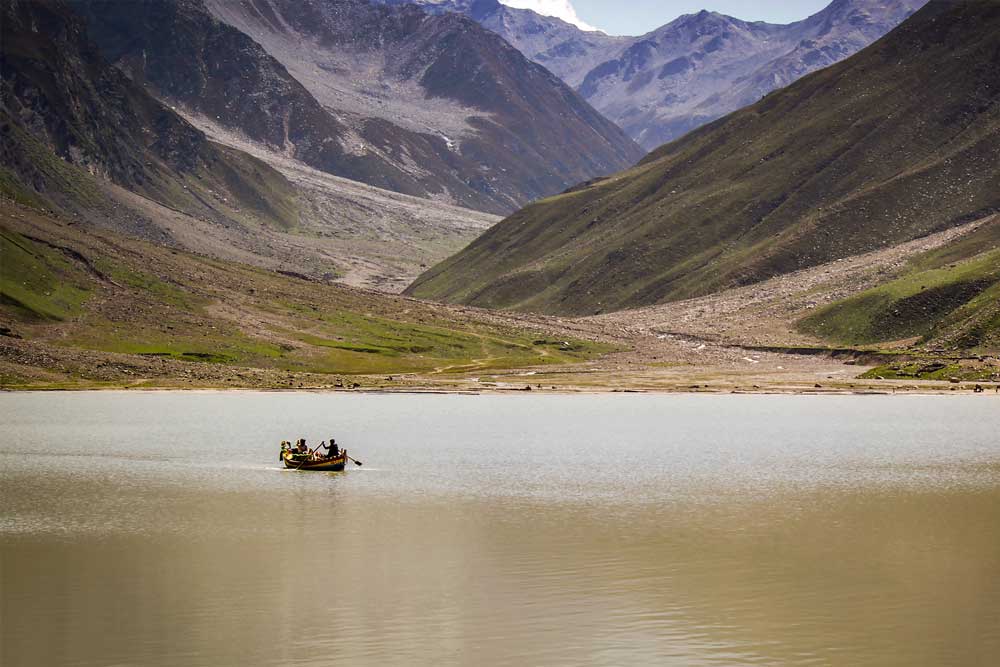
The first time I stood at the edge of Jheel Saif-ul-Malook, I felt as if I had stepped inside a dream. The cold mountain air brushed against my face, and the colors were spread over the water of the lake. The lake, surrounded by high mountains, looked like a gradient of green and blue, almost like a painting brought to life. No video or picture can justify the first look Jheel Saif ul Malook, which I saw 15 years before.
Located high above Naran Valley, Saif-ul-Malook Lake is not just a travel destination — it’s a feeling, a story, and an unforgettable experience. In this blog, I’ll take you through its legends, views, weather, photography spots, and everything you need to know before visiting this iconic alpine lake.
Where Is Jheel Saif-ul-Malook Located?
Jheel Saif-ul-Malook sits in the Naran Valley of Khyber Pakhtunkhwa, about 9 kilometers from Naran Bazaar. The lake lies at an altitude of 3,224 meters (10,578 ft), making it one of the highest and most accessible alpine lakes in Pakistan.
The altitude, the cold wind, the silence, and the reflections in the water — everything about this place feels untouched and pure. Because of its height, the lake remains frozen for almost half the year and fully opens only during summer.
The Fairytale of Prince Saif and Badi-ul-Jamal
Every visitor at Lake Saif-ul-Malook hears the same story — the legendary tale of Prince Saif-ul-Malook and Badi-ul-Jamal, the fairy princess.
According to the famous tale written by Sufi poet Mian Muhammad Bakhsh, Prince Saif dreamt of a stunning fairy princess and set out on a long spiritual journey to find her. After years of hardship, he finally reached this lake, where he met Badi-ul-Jamal, the queen of fairies.
Locals still believe that fairies descend to the lake on full-moon nights — a belief that adds even more charm and mystery to the turquoise water that sits between the giant mountains.
Myths, stories, and poetry create a magical atmosphere, making Saif-ul-Malook one of the most storied lakes in the entire region.
How to Reach Jheel Saif-ul-Malook
1-From Naran to Jeep Point
The journey begins from Naran Bazaar. You drive or walk toward the Saif-ul-Malook Jeep Stand, located at the end of the main road. Cars are not allowed beyond this point due to the condition of the track. Or you can call the jeep driver to your hotel through the hotel staff.
Jeep drivers usually wait at the start of Jheel Road, and the area remains busy from morning till just before sunset.
2-Jeep Ride to Saif-ul-Malook
This is where the real adventure begins.
- Duration: 20–30 minutes
- Road Condition: Rocky, bumpy, steep, and narrow
- Jeep Cost: (Seasonal range: PKR 4,000 – 6,000 PKR per jeep / Off-Season 2000 – 3000 PKR per Jeep)
- Why Jeep?
The cliffs and rough stones make it unsafe for normal cars.
Hold tight — the jeep ride is equal parts thrilling and scenic, offering unbeatable views of icy streams, cliffs, and waterfalls.
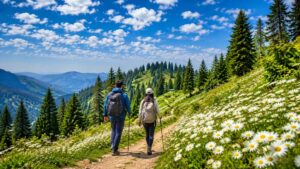
3-Hiking to Saif-ul-Malook (For Adventurers)
Yes, you can hike.
- Difficulty: Moderate to difficult
- Duration: 2.5–4 hours
- Best Season: June – October
The hiking trail is scenic but steeper than people expect. The weather can change suddenly, so hikers must be prepared with warm clothing, water, and proper shoes.
Best Time to Visit Jheel Saif-ul-Malook
The lake transforms with every season. Here’s what to expect:
Summer (May–August)
- Best accessibility
- Clear reflections
- Boating may be available
- Long daylight hours
This is the peak tourist season — and also the most photogenic.
Autumn (September–October)
- Crisp golden views
- Fewer tourists
- Cold winds
- Amazing sunrise and sunset colors
Winter (November–April)
- Lake remains frozen
- Jeep track closed due to heavy snow
- Only experienced trekkers attempt winter access
Snow lovers can trek from Naran, but it’s extremely risky and only recommended for professionals.
Weather at Saif-ul-Malook — What You Need to Know
Even in July, temperatures can feel freezing. The weather changes rapidly — a clear sky can turn cloudy in minutes.
Expect:
- Cold winds year-round
- Sudden cloud cover
- Intense UV sunlight at noon
- A temperature drop after 3 PM
Warm jackets, gloves, and caps are essential. Many tourists underestimate the cold and end up cutting their trip short — don’t make the same mistake.
Things to Do at Jheel Saif-ul-Malook
1-Enjoy Panoramic Mountain Views
The view is the main attraction — towering snow peaks, crystal-clear water, and silence broken only by wind and flowing streams.
Sit on a rock, breathe deeply, and absorb the landscape. This place stays with you forever.
2-Boating (Seasonal)
In summer, locals offer basic wooden boats for short trips.
- Limited availability
- Only operates when the lake is calm
- Safety precautions necessary
3-Photography – A Paradise for Photographers
Golden hour at Saif-ul-Malook is unreal.
Some perfect photography ideas:
- Reflections with calm water
- Snow peaks during sunrise
- Milky Way at night
- Horses beside the lake
- Wide shots of the entire valley
The lake is breathtaking from every angle — bring extra batteries.
4-Walk Along the Edges of the Lake
You can explore the surroundings on foot — small trails around the lake lead to mini viewpoints, hidden corners, and peaceful sitting spots.
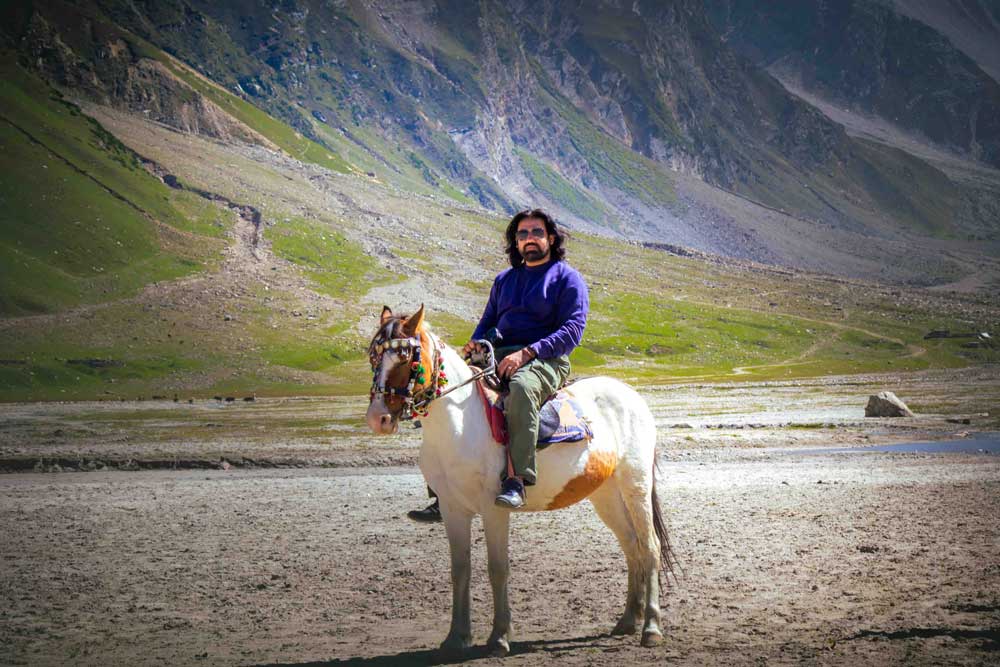
5-Horse Riding
If you don’t want to walk, local guides offer horses for short rides along the lake’s edge or toward small viewpoints.
Facilities Available at the Lake
Saif-ul-Malook is beautiful but basic in terms of amenities.
- Small tea stalls
- Simple snacks
- No proper washrooms
- Weak or no mobile signals
It’s extremely important to keep the lake clean. Sadly, plastic and wrappers spoil its beauty — please be a responsible traveler.
If you’re looking for the best hotels, food points, and complete details of Naran Valley before visiting Saif-ul-Malook, you can read my full Naran Valley travel guide here.
Essential Tips for Visiting Jheel Saif-ul-Malook
- Leave early morning to avoid crowds
- Cold winds increase after 3 PM
- Always carry warm clothes
- Wear proper joggers or hiking shoes
- Keep water and light snacks
- Don’t go too close to the lake’s edges
- Avoid visiting during late evening
- Keep cash — no online payments
For photographers:
Bring ND filters, backup cards, wide-angle + telephoto lenses, and gloves for better handling in cold.
Responsible Tourism at Saif-ul-Malook
The lake is fragile. Please:
- Don’t litter
- Don’t throw plastic in water
- Respect animals (horses)
- Don’t disturb wildlife
- Don’t damage or carve rocks
- Respect local guides and environment
Protect the lake so future generations can enjoy its beauty.
Conclusion – Why Saif-ul-Malook Stays with You Forever
Saif-ul-Malook is not just a lake — it’s a memory carved into your heart. The moment you step out of the jeep and see the blue water glimmering under the sky, something inside you pauses. You breathe slower. You look longer.
Every visit feels new. Sometimes the lake is calm like glass, sometimes angry with strong winds, sometimes covered in fog, and sometimes glowing under sunlight. But it is always magical.
If you ever get the chance to visit, go with an open heart and a quiet mind — and let the beauty of Jheel Saif-ul-Malook speak to you.
FAQs About Lake Saif-ul-Malook
1. Where is Jheel Saif-ul-Malook located?
Jheel Saif-ul-Malook is located in Naran Valley, Khyber Pakhtunkhwa, at an altitude of 3,224 meters (10,578 ft). It is about 9 km from Naran Bazaar and accessible only by jeep or hiking.
2. How do you reach Saif-ul-Malook from Naran?
Visitors must take a 4×4 jeep from Naran Jeep Stand due to the steep and rocky track. The ride takes around 20–30 minutes. Hiking is also possible but requires 2.5–4 hours depending on fitness.
3. What is the best time to visit Saif-ul-Malook?
The best time to visit is May to October, when the lake is fully accessible, the jeep track is open, and the weather is suitable for sightseeing and photography.
4. How cold does it get at Saif-ul-Malook?
Even in summer, temperatures remain cold. The lake can feel close to freezing early morning and evening. Warm jackets and proper footwear are essential year-round.
5. Is boating allowed at Saif-ul-Malook?
Boating is sometimes available during peak summer months, depending on weather and water conditions. It is not available during windy or cold days.
6. Can families visit Saif-ul-Malook safely?
Yes, families frequently visit the lake. However, visitors should be careful near the lake’s edges, supervise children, and avoid peak evening hours due to cold and low visibility.
7. Is food available at Saif-ul-Malook?
There are small tea stalls and tuck shops offering snacks, pakoras, tea, and water. However, there are no full restaurants, so it’s best to eat properly in Naran before going.
8. Is there mobile network coverage at the lake?
Mobile signals are very weak or nonexistent at Saif-ul-Malook. It’s better to inform family beforehand and stay connected once you return to Naran.
9. Can I visit Saif-ul-Malook in winter?
The lake freezes in winter, and the jeep track closes due to heavy snowfall. Only experienced trekkers attempt the winter hike, but it is extremely risky and not recommended for general tourists.
10. Are there washrooms or facilities at Saif-ul-Malook?
There are no proper washrooms, shelters, or dustbins at the lake. Visitors must bring their essentials, carry their trash back, and travel responsibly to protect the environment.